March 20, 2026
Modern homes are designed to balance comfort, efficiency, and long-term value, and the systems that support daily living play a major role in achieving that balance. Heating and cooling are no longer considered simple utilities; they are integral to how people experience their homes year-round. From maintaining indoor comfort during temperature extremes to supporting healthier air quality and energy efficiency, professional HVAC installation has become a foundational element of residential design and renovation. Homeowners today expect consistent performance, smart technology integration, and systems that align with both lifestyle needs and environmental considerations.
As homes become more airtight and technologically advanced, the importance of properly designed and installed HVAC systems continues to grow. A well-planned approach ensures that heating and cooling equipment work in harmony with the home’s layout, insulation, and usage patterns. Rather than reacting to comfort issues after they arise, modern homeowners are increasingly proactive, viewing HVAC upgrades as a strategic investment. Understanding the specific benefits that installation brings helps clarify why this decision has lasting implications for comfort, efficiency, and overall home performance.
Supporting Consistent Indoor Comfort Year-Round
One of the most immediate advantages of professional HVAC installation is the ability to maintain consistent indoor comfort regardless of outdoor conditions. Modern systems are engineered to regulate temperature evenly throughout the home, reducing hot and cold spots that often occur with outdated or improperly sized equipment. This consistency is especially noticeable in homes with multiple levels or open floor plans, where airflow balance can be difficult to achieve without expert system design.
Proper installation ensures that heating and cooling components are matched to the home’s square footage and insulation characteristics. Oversized systems may cycle on and off too frequently, while undersized systems struggle to maintain desired temperatures. Both scenarios can lead to discomfort and unnecessary strain on equipment. By tailoring the system to the home, HVAC installation supports steady performance that adapts to seasonal changes without constant manual adjustments.
Improving Energy Efficiency and Cost Management
Energy efficiency is a primary consideration for today’s homeowners, and HVAC installation plays a central role in managing long-term utility costs. Newer HVAC systems are designed to operate more efficiently than older models, using advanced compressors, variable-speed motors, and improved heat exchange technologies. When installed correctly, these features work together to reduce energy consumption without sacrificing performance.
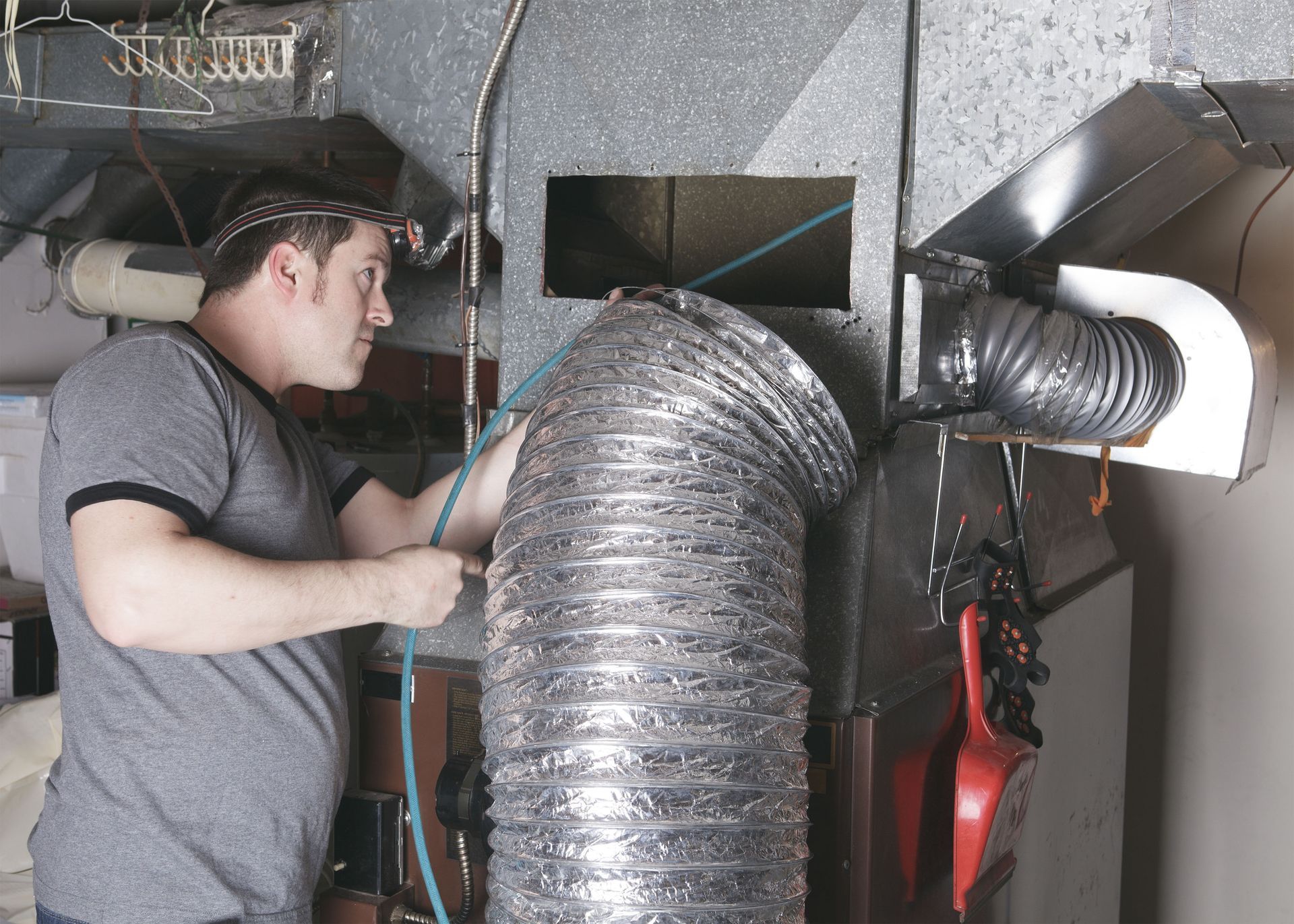
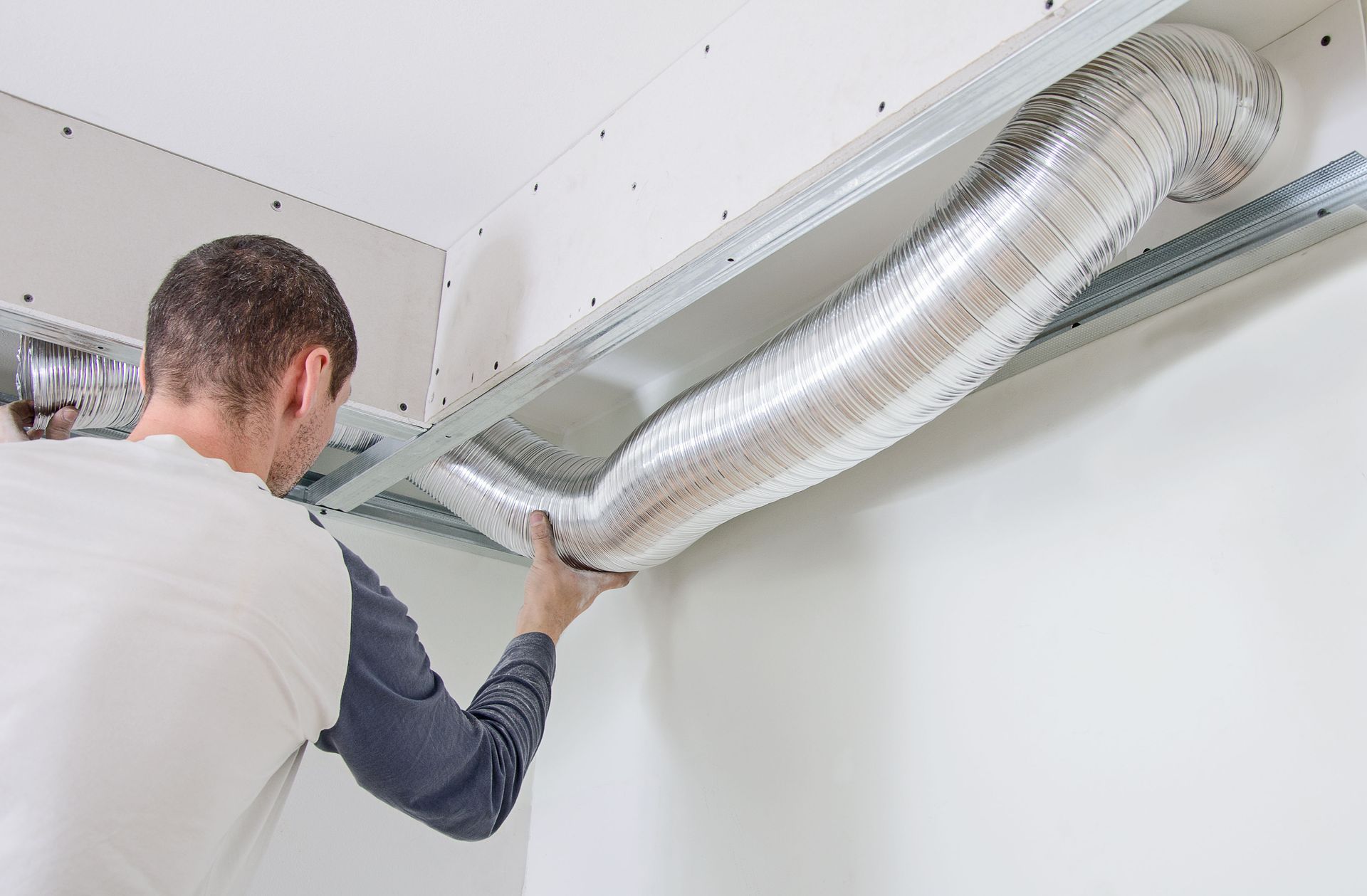
A professionally installed system also accounts for ductwork condition and airflow optimization. Leaky or poorly designed ducts can undermine even the most efficient equipment by allowing conditioned air to escape before it reaches living spaces. Addressing these issues during installation ensures that energy is used effectively, helping homeowners see tangible savings on monthly utility bills.
Market trends further highlight the importance of efficient systems in residential settings. According to WorkYard, residential HVAC systems make up nearly 40 percent of the market, with a strong focus on air conditioning systems, especially in regions with extreme seasonal climates. This emphasis reflects growing demand for systems that can handle temperature fluctuations efficiently while keeping operating costs predictable for homeowners.
Enhancing Indoor Air Quality and Health
Beyond temperature control, HVAC installation has a direct impact on indoor air quality, which is increasingly recognized as a key component of a healthy home. Modern HVAC systems are equipped with filtration options that capture dust, pollen, and other airborne particles that can affect respiratory health. Proper installation ensures that these filtration systems function as intended, circulating clean air throughout the home.
Humidity control is another critical factor supported by modern HVAC systems. Excess moisture can contribute to mold growth and discomfort, while overly dry air can irritate skin and respiratory passages. A well-installed system helps maintain balanced humidity levels, creating a more comfortable and healthier indoor environment throughout the year.
For households with allergies, asthma, or other sensitivities, the benefits of improved air quality are especially significant. By ensuring that airflow pathways are sealed and filters are properly integrated, HVAC installation reduces the likelihood of contaminants entering the living space. Over time, this contributes to a home environment that supports overall well-being rather than undermining it.
Increasing System Reliability and Longevity
Reliability is another major advantage of professional HVAC installation, particularly when compared to piecemeal upgrades or temporary fixes. When a system is installed according to manufacturer specifications and industry best practices, its components experience less stress during operation. This reduces the frequency of breakdowns and extends the overall lifespan of the equipment.
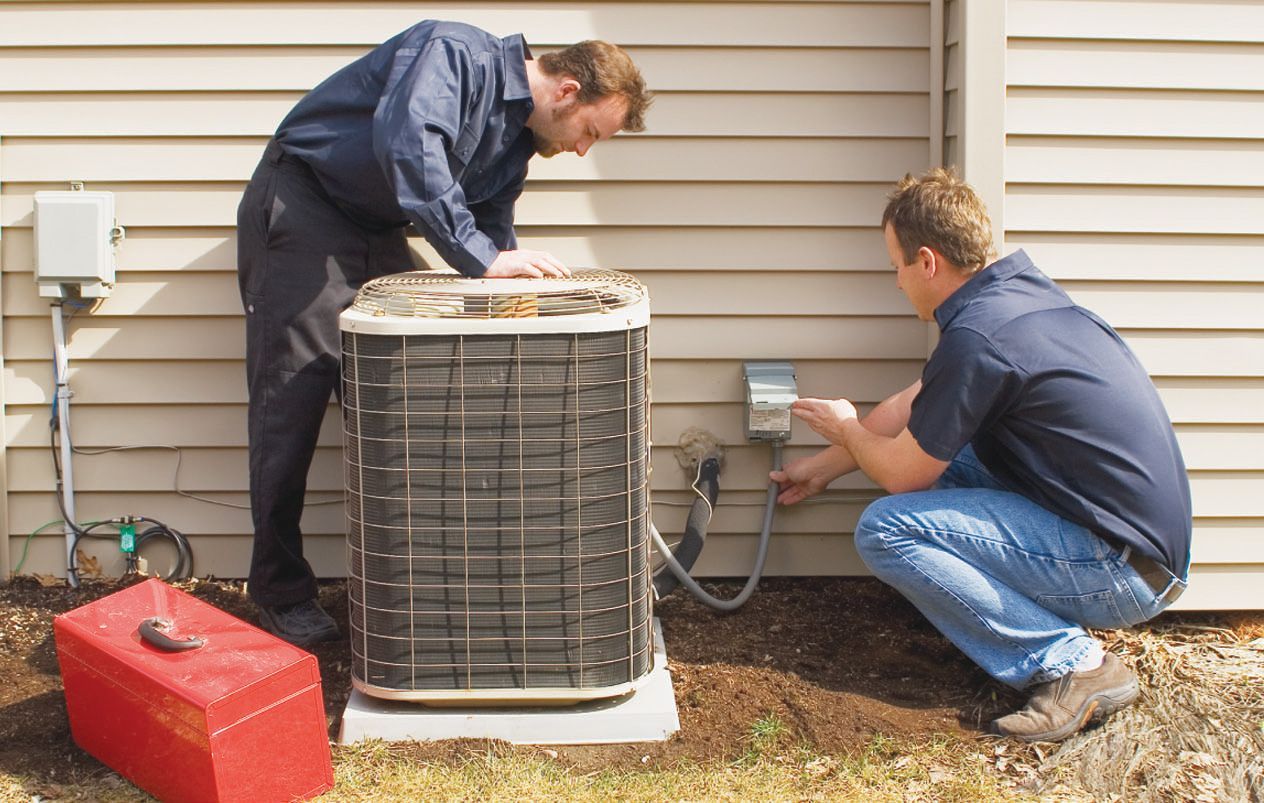
Improper installation is one of the leading causes of premature HVAC failure. Issues such as incorrect refrigerant levels, poor electrical connections, or inadequate airflow can cause components to wear out faster than expected. Addressing these details during installation helps ensure that the system operates smoothly from the start, minimizing the risk of unexpected repairs.
Long-term reliability also supports better maintenance outcomes. Systems that are installed correctly are easier to service, as technicians can access components and diagnose issues more efficiently. Over the life of the system, this translates into fewer disruptions and more predictable performance, reinforcing the value of investing in quality HVAC installation from the outset.
Adapting Homes to Modern Technology Integration
Modern homes increasingly rely on smart technology to enhance convenience and efficiency, and HVAC systems are no exception. Many new systems are compatible with smart thermostats, remote monitoring tools, and home automation platforms. Professional HVAC installation ensures that these technologies are integrated seamlessly, allowing homeowners to take full advantage of their capabilities.
Smart HVAC controls enable precise scheduling, energy usage tracking, and remote adjustments through mobile devices. These features are most effective when the underlying system is installed and calibrated correctly. Improper setup can limit functionality or lead to inaccurate readings that undermine efficiency goals.
Having a properly installed system also makes future upgrades easier. Whether adding advanced air purification, integrating renewable energy sources, or expanding zoning capabilities, a solid installation foundation allows homeowners to adapt their HVAC systems as needs change without starting from scratch.
Supporting Home Value and Long-Term Planning
HVAC systems are a major consideration for prospective buyers, making HVAC installation an important factor in home value. A modern, well-documented installation signals that the home has been maintained thoughtfully and is equipped to provide reliable comfort. This can be particularly appealing in competitive real estate markets where buyers prioritize move-in-ready features.
Installing a modern system allows homeowners to align their heating and cooling strategy with future goals. This may include energy efficiency targets, sustainability initiatives, or anticipated changes in household size. By investing in an installation that accounts for these factors, homeowners reduce the likelihood of costly replacements or modifications down the line.
Aligning HVAC Performance With Lifestyle Needs
Every household has unique routines, schedules, and comfort preferences, and HVAC installation allows systems to be tailored accordingly. Whether accommodating work-from-home arrangements, varying occupancy levels, or specific temperature needs, installation customization ensures that the system supports daily life rather than dictating it.
Noise reduction is one example of how modern systems enhance the quality of life. Proper placement of equipment and ductwork during installation can significantly reduce operational noise, creating a quieter indoor environment. This is particularly valuable in homes where living spaces are closely connected or where quiet conditions are important.
Aligning HVAC performance with lifestyle needs reinforces the broader benefits of modern home design. A system that responds intuitively to how a home is used enhances comfort, efficiency, and satisfaction over time. Thoughtful HVAC installation makes this alignment possible, ensuring that the system serves as a supportive backdrop to everyday living rather than a source of ongoing adjustment. Call Reitz Heating & Air, Inc today to schedule your heating or cooling service.